
Identifying Signs of Cavity Mould and Remediation Steps
Recognizing the signs of cavity mold is vital for preserving a healthy living space. By taking swift action through professional inspections and comprehensive remediation plans, homeowners can mitigate the risks associated with mold exposure and protect the integrity of their homes.
Sentinel Co
1 min read
Understanding Cavity Mould
Mould in wall cavities often grows unseen until it affects indoor air quality or becomes visually obvious. Early detection prevents health issues and expensive repairs. Recognizing the signs of cavity mould is essential for maintaining a healthy living environment. Mould can lead to various health issues, including respiratory problems, allergies, and other sensitivities. Therefore, it is crucial to be aware of the symptoms associated with cavity mould to address them promptly.
Common Signs You May Have Cavity Mould
Musty or damp smell in rooms, even when surfaces look dry.
Recurrent mould patches on walls or skirting boards, especially after cold, damp weather.
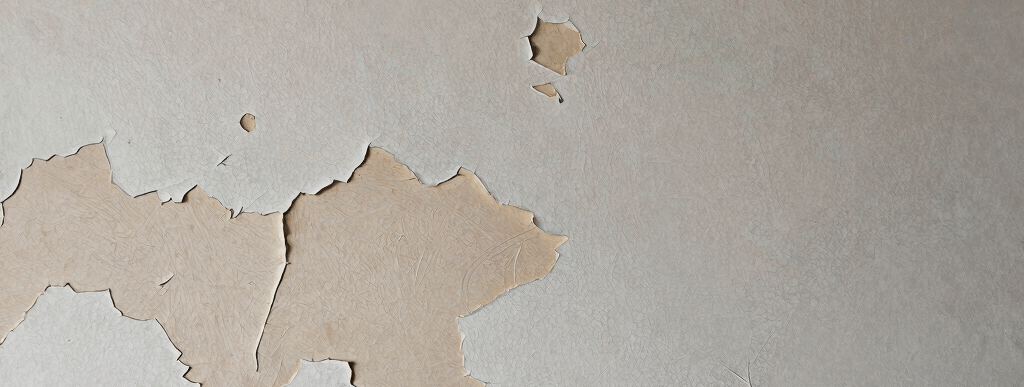
Peeling paint, bubbling wallpaper, or discoloured plaster.
How inspections can find cavity mould
Moisture mapping locates high-humidity zones inside cavities.
Thermal imaging highlights cold spots where condensation and mould form.
Borescope cameras provide direct visual confirmation without major disruption.
Air quality or surface sampling (if needed) can identify species and spore levels for remediation planning.
Immediate steps if you suspect mould
Ventilate affected areas and reduce humidity (use extractor fans, dehumidifiers).
Avoid DIY extensive removal in hidden cavities — disturbance can spread spores.
Book a professional inspection to confirm source (plumbing leak, poor ventilation, thermal bridging) and extent.
Follow a prioritized remediation plan: fix moisture source, clean/remediate, and verify with a follow-up inspection.
Prevention tips
Improve ventilation in kitchens, bathrooms, and lofts.
Repair roof flashings and external defects promptly.
Insulate or remedy thermal bridges on cold walls.
Schedule periodic cavity checks after major weather events or renovations.
Sentinel Co
thermal + environmental
E: questions@sentinelco.co.uk
T: 01323 304840
©2025 Sentinel Co. All rights reserved.


12 Station Street, Eastbourne BN21 4RG